Author name: david

Uncategorized

Sustainable Shipping: The Future of Freight Logistics

The global freight industry is the backbone of international trade—but it’s also one of the largest contributors to carbon emissions. In 2025 and beyond, the focus on sustainability in shipping isn’t just a trend; it’s a necessity. Governments, consumers, and corporations are demanding greener supply chains, and logistics companies must rise to the challenge. Let’s explore how sustainable shipping is transforming the future of freight logistics—and what your business can do to stay ahead. Why Sustainability Matters in Freight The message is clear: sustainable logistics is no longer optional—it’s the new standard. Key Innovations Driving Sustainable Shipping 1. Alternative Fuels and Electrification 2. Carbon-Neutral Freight Options 3. Smarter Routing and Load Optimization 4. Green Warehousing 5. Sustainable Packaging How Businesses Can Contribute to Greener Freight Looking Ahead: The Road to Net Zero Logistics The future of freight logistics is rooted in collaboration, innovation, and responsibility. As the industry evolves, businesses that prioritize sustainability will not only reduce their environmental impact but also gain a competitive edge. From electrified fleets to AI-driven route planning, the logistics leaders of tomorrow are taking bold steps today. Final Thought At Swift Global LLC, we believe that a cleaner, smarter shipping industry benefits everyone. We’re committed to providing freight solutions that balance performance and sustainability—because the future of logistics is green. Ready to future-proof your supply chain? Contact us to learn how we can support your journey toward sustainable shipping.


Air and land Transportation
Uncategorized

Air vs. Ocean Freight: Which is Right for Your Business?

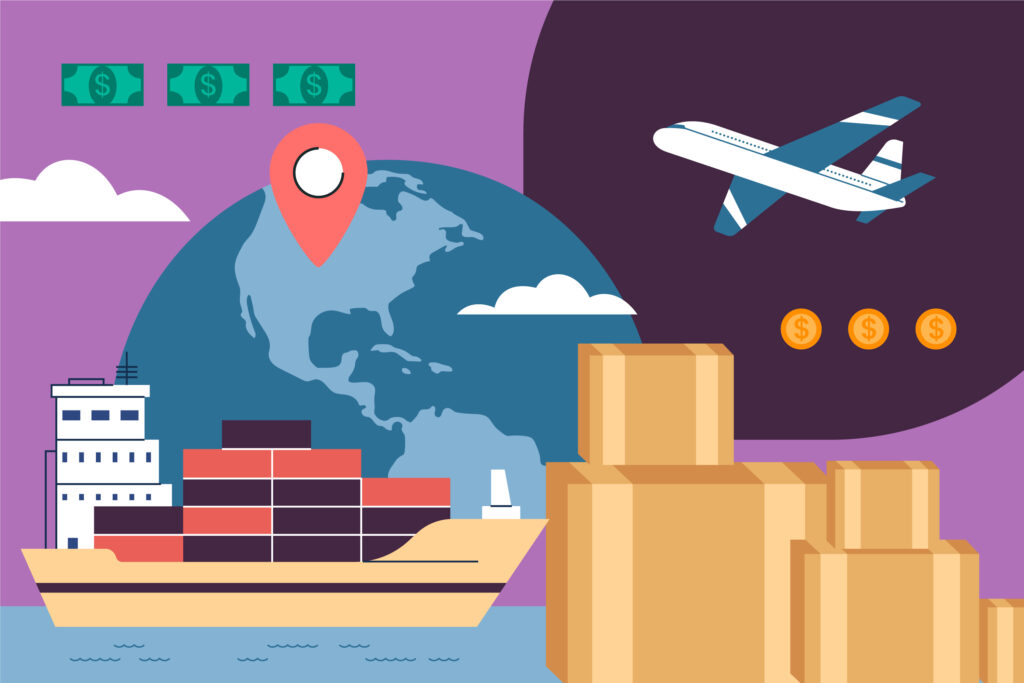
When it comes to international shipping, choosing between air freight and ocean freight can have a big impact on your costs, delivery times, and customer satisfaction. Whether you’re a startup sending your first batch of products or a growing brand expanding globally, understanding the pros and cons of each method is key to making smart, strategic decisions. So, which one is right for your business? Let’s break it down. Air Freight: Speed and Precision Pros of Air Freight Cons of Air Freight Ocean Freight: Cost-Effective and Scalable Pros of Ocean Freight Cons of Ocean Freight Key Considerations for Your Business Factor Best Option Delivery Speed Air Freight Budget-Conscious Shipping Ocean Freight Small, High-Value Goods Air Freight Large, Heavy Shipments Ocean Freight Environmental Sustainability Ocean Freight Perishable or Time-Sensitive Products Air Freight Regular Bulk Inventory Replenishment Ocean Freight Pro Tip: Combine Both with Hybrid Logistics Many businesses today use a combination of air and ocean freight—also called multimodal or hybrid logistics. For example, you can ship high-priority items by air while moving bulk inventory by sea to balance cost and speed. Final Thoughts The right choice between air and ocean freight depends on your product type, budget, customer expectations, and logistics goals. By understanding the trade-offs, you can make informed shipping decisions that support growth and efficiency. Need help planning your next international shipment? Swift Global LLC specializes in tailored freight solutions to match your business needs. Contact us today for a free consultation.

Uncategorized

How Customs Clearance Works: A Guide for First-Time Exporters

Entering the world of international trade for the first time? One of the most critical—and often misunderstood—steps in the export process is customs clearance. If you’re new to shipping goods abroad, understanding how this works can save you time, money, and major headaches. This guide breaks down the customs clearance process so first-time exporters can ship with confidence. What Is Customs Clearance? Customs clearance is the process of declaring goods to a country’s customs authorities when they cross international borders. It involves verifying documentation, paying duties and taxes, and ensuring that the goods comply with local laws and regulations. Without proper customs clearance, your shipment may be delayed, fined, or even confiscated. Step-by-Step: How Customs Clearance Works 1. Prepare the Necessary Documentation Before your shipment even leaves the warehouse, gather all required export documents. The most common ones include: Tip: Double-check for accuracy—errors in documentation are a top cause of clearance delays. 2. Submit Documents to Your Customs Broker or Freight Forwarder A customs broker is a licensed expert who facilitates the clearance process on your behalf. They know the ins and outs of local regulations, tariffs, and documentation requirements. Once your broker receives your documents, they’ll: 3. Goods Are Inspected (If Required) Not all shipments are inspected, but customs officials may choose to examine your goods randomly or if they notice a red flag in the documentation. Common reasons for inspection: Inspections can cause delays, so always ensure full compliance. 4. Pay Duties, Taxes, and Fees Once your documents are reviewed and approved, your broker or the importer must pay the assessed customs duties, VAT, or other local fees. Payment must be cleared before the goods are released from customs. 5. Customs Release and Final Delivery After payment and approval, customs will release the shipment. From there, the goods can move to their final destination—whether it’s a distribution center, retail location, or customer address. Bonus Tips for First-Time Exporters Final Thoughts Customs clearance might seem intimidating at first, but with the right guidance and preparation, it becomes a manageable—and essential—part of exporting. By getting familiar with the process and working with experienced logistics partners, you can ensure your goods reach international markets smoothly and efficiently. Need help with your first export? Contact Swift Global LLC today—we simplify customs and take the stress out of shipping.

Uncategorized

Top 5 Tips for Reducing Shipping Delays in 2025

In 2025, the global shipping industry continues to evolve rapidly—with technology, consumer demand, and geopolitical events playing a major role in shaping the supply chain. Despite these advancements, shipping delays remain a critical challenge for businesses and logistics providers alike. If you’re looking to maintain customer satisfaction and streamline operations, here are the top five tips to reduce shipping delays in 2025: 1. Leverage AI-Powered Predictive Logistics Artificial Intelligence is no longer a luxury—it’s a necessity. Modern shipping companies use AI to analyze weather patterns, customs clearance timelines, and port congestion data. These predictive insights allow businesses to: Pro Tip: Use integrated AI platforms that offer real-time tracking, exception alerts, and dynamic rerouting. 2. Optimize Your Carrier Network Relying on a single carrier is risky in 2025’s fast-moving environment. Instead, diversify your shipping strategy by partnering with multiple regional and global carriers. This helps: Bonus: Many eCommerce platforms now support multi-carrier automation, making integration smoother than ever. 3. Implement End-to-End Supply Chain Visibility Full transparency across your supply chain is crucial for minimizing blind spots. Use centralized dashboards and IoT tracking to monitor your shipments in real time—from warehouse to last-mile delivery. Benefits include: Remember: Delays happen, but visibility helps you manage expectations and build trust. 4. Pre-Clear Customs and Stay Updated on Regulations Customs clearance is one of the most common bottlenecks. Stay ahead by: In 2025, new trade agreements and AI-assisted border screening tools are making customs faster—if your documents are in order. 5. Plan Around Seasonal Peaks and Geopolitical Events Shipping delays often spike during holidays, sales events, or in regions experiencing instability. Use forecasting tools and historical data to adjust lead times and inventory planning accordingly. Some best practices include: Final Thoughts Reducing shipping delays in 2025 means being proactive, tech-savvy, and strategically agile. By embracing the right tools and logistics partners, your business can not only avoid costly disruptions but also deliver a superior customer experience. Need help optimizing your global shipping strategy? Contact us today to learn how Swift Global LLC is redefining the future of logistics.

Scroll to Top